
Insights

Sorting 3C and High-Value Goods

3C and high-value goods — why do they demand higher accuracy? Special requirements and equipment selection.

Sorting 3C and High-Value Goods
Tegene warehouse sortation practice

01

The Short Answer

For 3C and high-value items, assess identification, delivery and exception handling against item profiles to reduce mis-sort and damage risks. 3D Sorter offers tote, flow-rack and chute formats; suitability and acceptance criteria are confirmed for each project.

02

Special Requirements of High-Value Sorting

Such goods raise the bar for sorting:

  • Accuracy first: high mis-sort cost demands very low error rates.
  • Traceability: stable barcode/RFID recognition for tracing and reconciliation.
  • Stable sorting: reduce bumps and mis-drops to keep goods intact.

03

How Equipment Meets Them

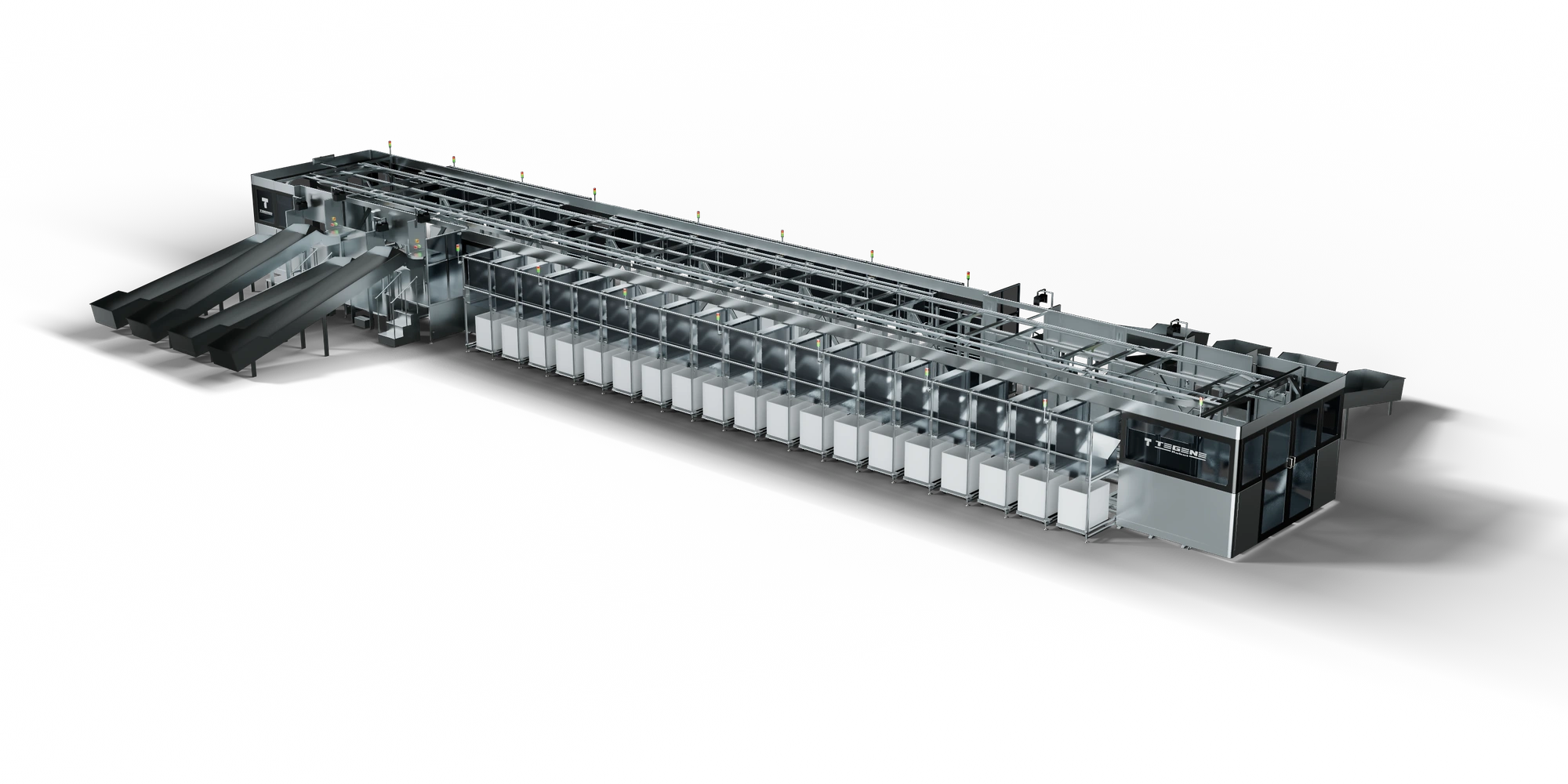
Start with identification traceability, protected chute delivery and exception review. The standard 3D Sorter supports tote, flow-rack and slide-chute formats; add X modules when more destinations are required, or assess M for concentrated peaks and roll-cage collection.

FAQ

Questions related to this guide

What matters most in high-value goods sorting?

Assess sorting accuracy against item profiles, identification conditions, induction pace and exception handling. Define measurement methods, test conditions and acceptance criteria in the project specification.

What sorting equipment suits 3C replenishment?

Start with the standard 3D Sorter, then evaluate X modules if destination demand grows. Final selection depends on product protection, identification, peak volume and collection method.

Next Step

Apply this guidance to your project

Share your site, item profile, peak volume and destination flows for an initial recommendation based on products and relevant projects.

Submit Project Requirements