
01
The Short Answer
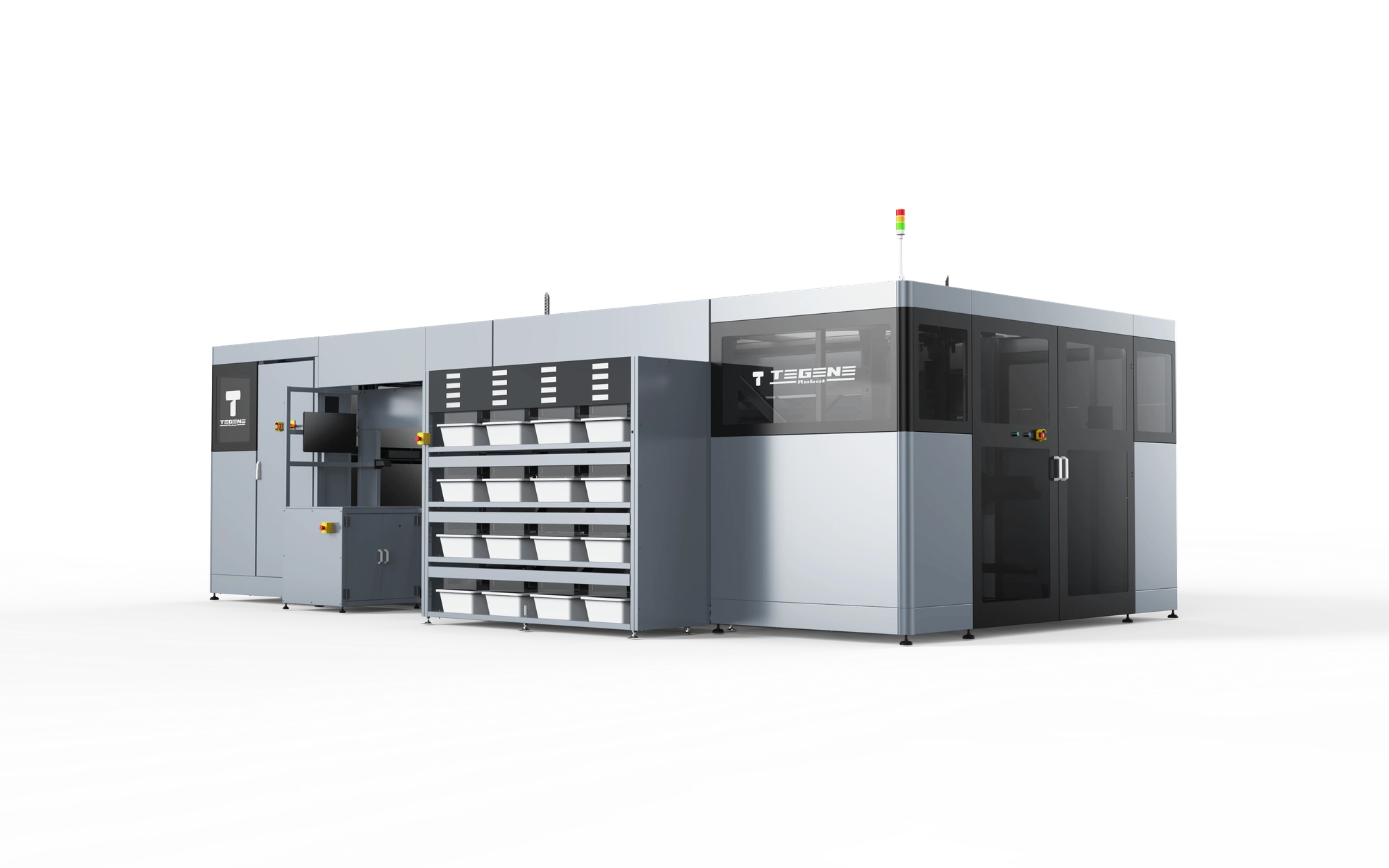
A food warehouse operating at around 0°C uses a standard 3D Sorter with 48 chutes and two induction stations, reaching 2,800 pcs/h in about 30 m². Confirm temperature, humidity, item profile and packing flow for each project.
02
Three Special Requirements of Cold-Chain Sorting
Compared with ambient warehouses, cold-chain sorting must also consider:
- For cold-chain projects, confirm equipment suitability against the actual temperature zone, humidity and operating conditions. Environmental specifications are subject to project technical confirmation.
- Compact flow: cold storage space and energy cost are high, requiring compact layout and less walking.
- Fast deployment: minimize modification and go-live time to limit impact on the running cold store.
03
Selection and Deployment Points
For cold-chain scenarios, focus on:
- The reference project uses a standard 3D Sorter. If more chutes are needed, evaluate X modules against the existing configuration and site conditions.
- Use compact deployment aligned to cold storage, transport and distribution flow to cut walking and mis-sorts.
- Prefer fast-deployment plans to reduce disruption to the running cold store.
- Confirm scanning and induction modes based on temperature zone and parcel profile.