
01
The Short Answer
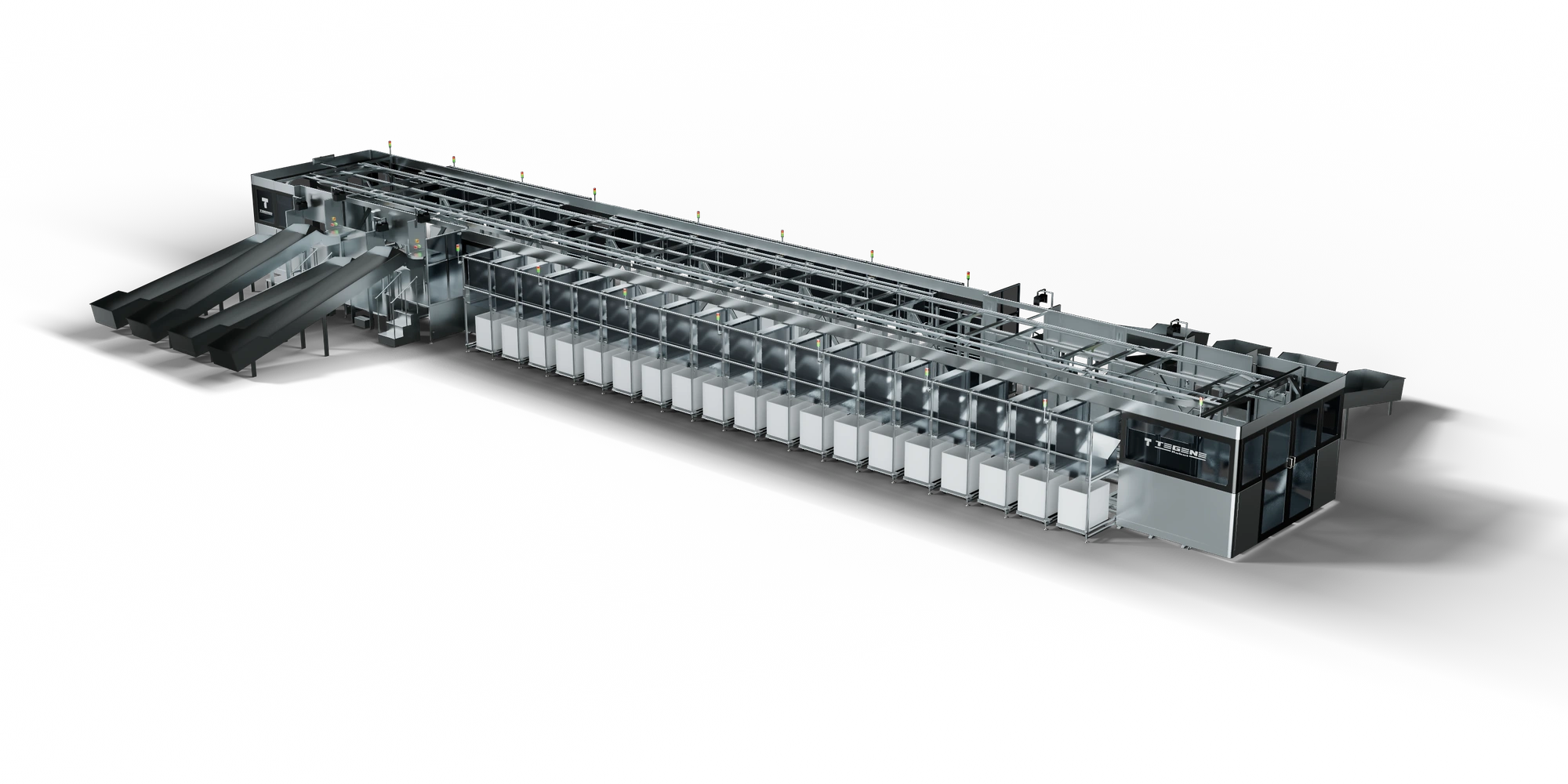
Compare specific configurations, not equipment categories alone. 3D Sorter uses a lifting single- or dual-cart-per-column structure; M targets high-throughput multi-layer sorting; E targets complex express/postal items and can complement existing main sorting equipment according to project requirements.
02
Comparison Across 5 Dimensions
By key dimension, the two approaches differ mainly in:
- Capacity: evaluate average and peak volumes, induction pace and destinations; distinguish mechanical throughput from project processing volume.
- Space: confirm utilization against equipment layout, chute formats, warehouse height and material flow.
- Total investment: compare equipment configurations, site modifications, integration and ongoing service.
- Delivery: plan around site readiness, commissioning, integration and acceptance.
- Item fit: standard 3D Sorter addresses small and medium multi-destination items; M targets continuous high throughput; E handles complex express/postal items.
03
Where Each Fits Best
Compare target capacity, chute formats, footprint, total investment and delivery conditions against specific configurations, site modifications and system interfaces rather than equipment category alone.
- Small/medium items across many orders and destinations: evaluate vertical lifting, chute formats and split-line operation on 3D Sorter.
- High throughput, multiple induction points and batch collection: evaluate the multi-cart design and roll-cage chutes of M.
- Complex NC items requiring separate processing in an existing main sorting workflow: evaluate E as a supplementary unit to reduce manual re-sorting.
04
How Tegene 3D Sorter Series Deploys
Mechanical throughput is 24,500 pcs/h for 3D Sorter, 40,000 for 3D Sorter M, 31,000 for 3D Sorter E and 11,000 for 3D Sorter X. Chute counts are 1,000, 200 (large roll-cage-compatible chutes), 1,500 and 2,500 respectively, all customizable. Mechanical throughput is distinct from project operating results.