
Insights

What Is a Put Wall? How Post-Pick Seeding Improves Efficiency

What is a Put Wall? What is the difference between picking and seeding? How post-pick seeding improves efficiency.

What Is a Put Wall? How Post-Pick Seeding Improves Efficiency

The Short Answer

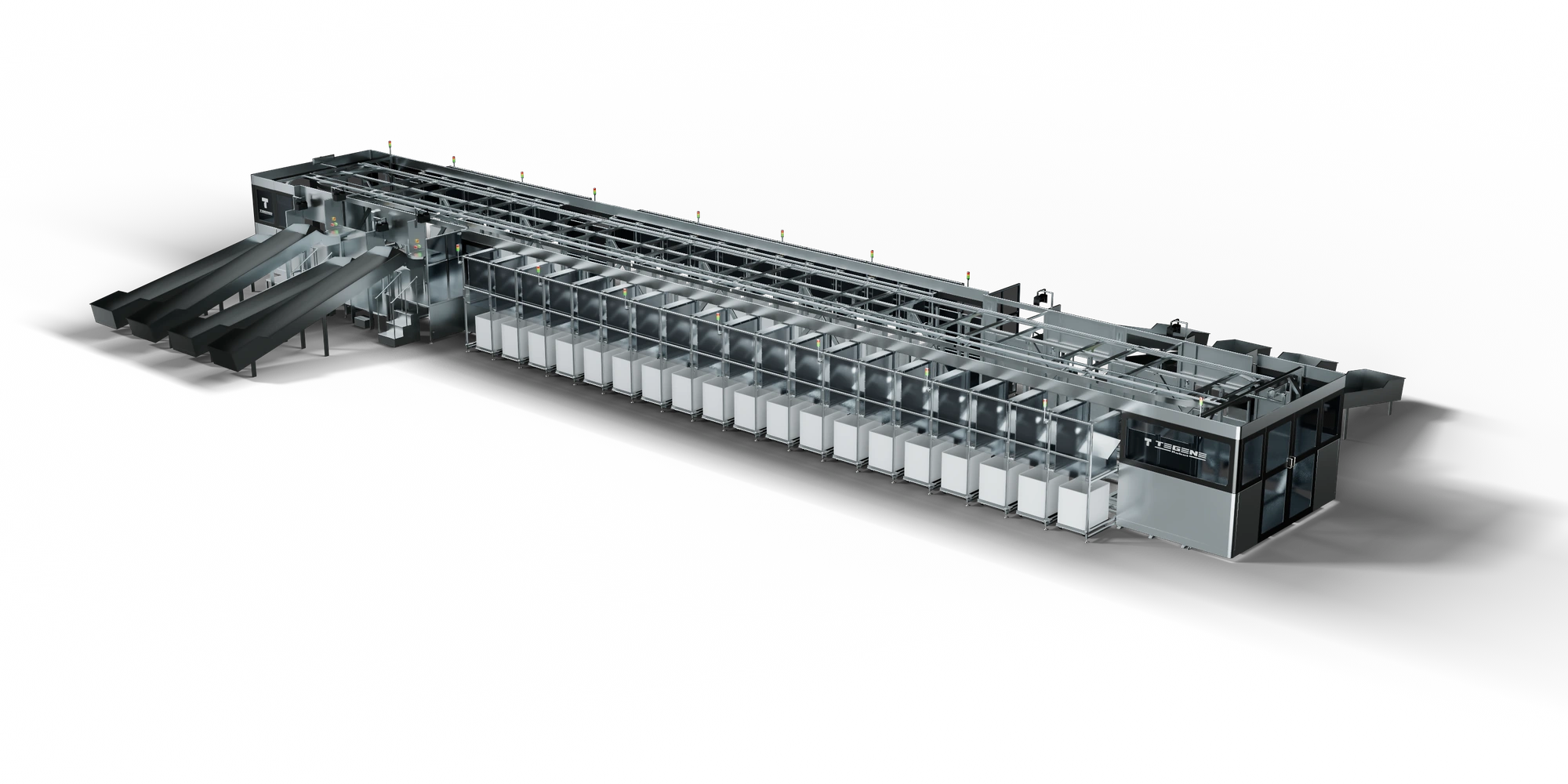
A Put Wall "seeds" consolidated-picked goods into per-order chutes, suited to fast order splitting after multi-order, multi-SKU batch picking. The Tegene 3D Series supports post-pick seeding, improving multi-destination order throughput via chute and cart configuration.

Pick-to-Order vs Put-to-Order

The two picking modes suit different order structures:

  • Pick-to-order: one order at a time, suited to few orders with many SKUs.
  • Put-to-order (seeding): batch pick then seed by order, suited to many orders with few units each — higher efficiency for e-commerce.

How a Put Wall Improves Efficiency

A Put Wall decouples picking and splitting: batch consolidated picking cuts walking, then the device seeds by order quickly. With chute and induction configuration, it significantly raises orders processed per unit time, especially for e-commerce peaks and multi-client 3PL.

FAQ

Frequently asked questions related to this article:

  • What kind of warehouse suits a Put Wall? A Put Wall suits e-commerce and 3PL warehouses with many orders, few units per order and many SKUs, improving multi-destination order throughput by seeding after consolidated picking.
  • Which is more efficient, picking or seeding? It depends on order structure. With many orders and few units each, put-to-order (seeding) is usually more efficient; with few orders and many SKUs, pick-to-order fits better.

Next Step

Turn this scenario into a deployable plan

Share site area, parcel profile, peak volume and target market to receive configuration and deployment guidance.

Contact Us