
Insights

How to Improve Returns and Reverse Logistics With Automated Sorting?

Many SKUs, messy flows, slow by hand — how does automated sorting improve reverse logistics?

How to Improve Returns and Reverse Logistics With Automated Sorting?

The Short Answer

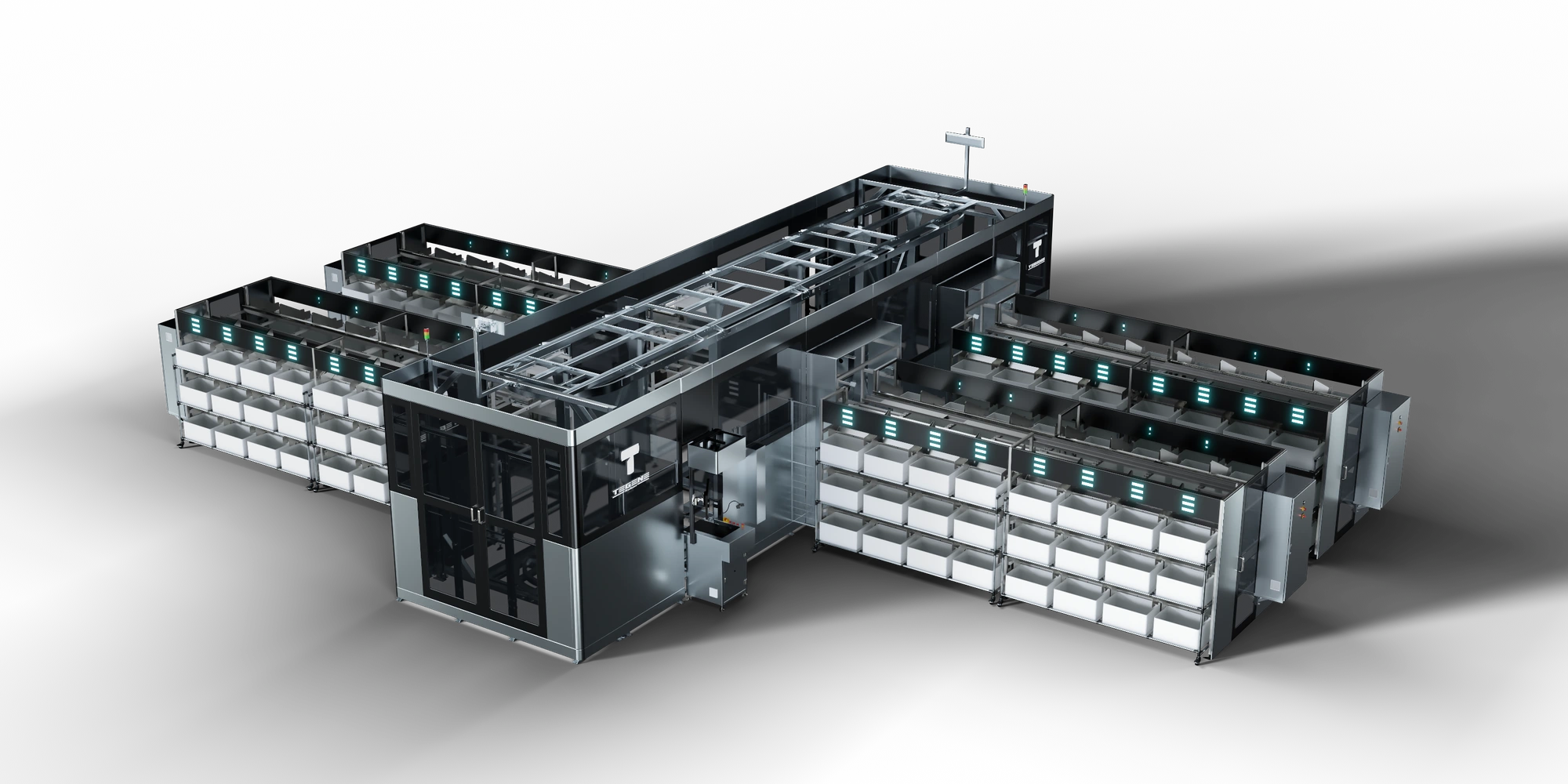
The challenge of returns and reverse logistics is many SKUs, messy flows and unstable batches. The Tegene 3D Series configures chutes by flow for multi-destination sorting, and with Expansion Modules to scale chutes it suits returns and store replenishment with many SKUs and flows.

Pain Points of Returns Sorting

Reverse logistics differs from outbound, mainly in:

  • Many SKUs and messy flows create large, frequently changing chute needs.
  • Return batches are unstable with unpredictable peaks.
  • Manual sorting is slow and error-prone.

How Automated Sorting Helps

Configure chutes by flow with the 3D Series, use Expansion Modules to raise chutes 4-5x to cover changing flows, and reduce rework with 99.99% accuracy — significantly improving the efficiency and scalability of returns handling.

FAQ

Frequently asked questions related to this article:

  • Is returns/reverse logistics suited to automated sorting? Yes. Returns have many SKUs and messy flows; the Tegene 3D Series configures chutes by flow for multi-destination sorting, and with Expansion Modules to scale chutes it improves returns handling efficiency.
  • Return flows keep changing and chutes run short — what do I do? Use the Expansion Module to retrofit the base machine and raise chute count 4-5x (up to 96-2000 chutes), flexibly covering changing return flows.

Next Step

Turn this scenario into a deployable plan

Share site area, parcel profile, peak volume and target market to receive configuration and deployment guidance.

Contact Us