
Insights

Is a Sorting Robot Worth It for a Small Warehouse? An Automation Path for Small Operations

Low volume, limited budget — should a small warehouse get a sorting robot? An automation path for small operations.

Is a Sorting Robot Worth It for a Small Warehouse? An Automation Path for Small Operations

The Short Answer

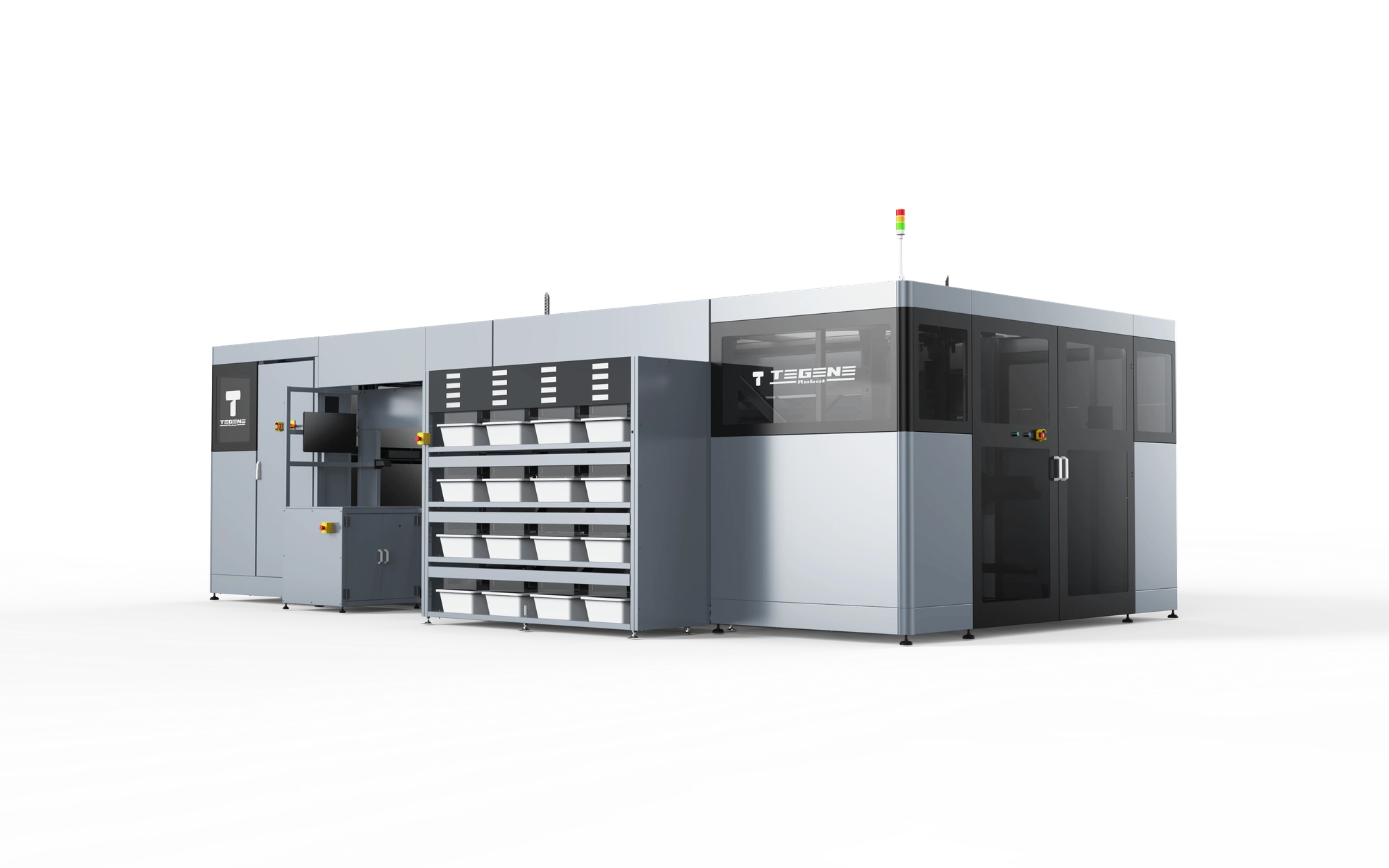
Whether a small warehouse should automate depends on labor cost, order peaks and mis-sort loss — not volume alone. The Tegene 3D Sorter supports fast deployment and chute configuration by flow; you can start with the base model and scale gradually with Expansion Modules to control upfront cost.

When It Is Worth It

The value of automation is clearer when you see these signals:

  • High labor cost or hiring pressure.
  • Clear order peaks that temp labor cannot stabilize in season.
  • Frequent mis-sorts and timeliness issues hurting complaints and repurchase.

A Gradual Automation Path

A small warehouse need not go all-in: start with the base 3D Sorter to cover core flows and control upfront cost, then as volume and flows grow, use the Expansion Module to raise chutes 4-5x — a low-threshold start with on-demand scaling.

FAQ

Frequently asked questions related to this article:

  • Is a sorting robot worth it for a low-volume small warehouse? It depends on labor cost, order peaks and mis-sort loss, not volume alone. If hiring is hard, peaks are sharp or mis-sorts are frequent, automation is more worthwhile — you can start with the base 3D Sorter.
  • On a limited budget, how does a small warehouse start automating? Start with the base 3D Sorter to cover core flows and control upfront cost, then scale chutes on demand with the Expansion Module (up 4-5x) for a low-threshold, gradual path.

Next Step

Turn this scenario into a deployable plan

Share site area, parcel profile, peak volume and target market to receive configuration and deployment guidance.

Contact Us