
01
The Short Answer
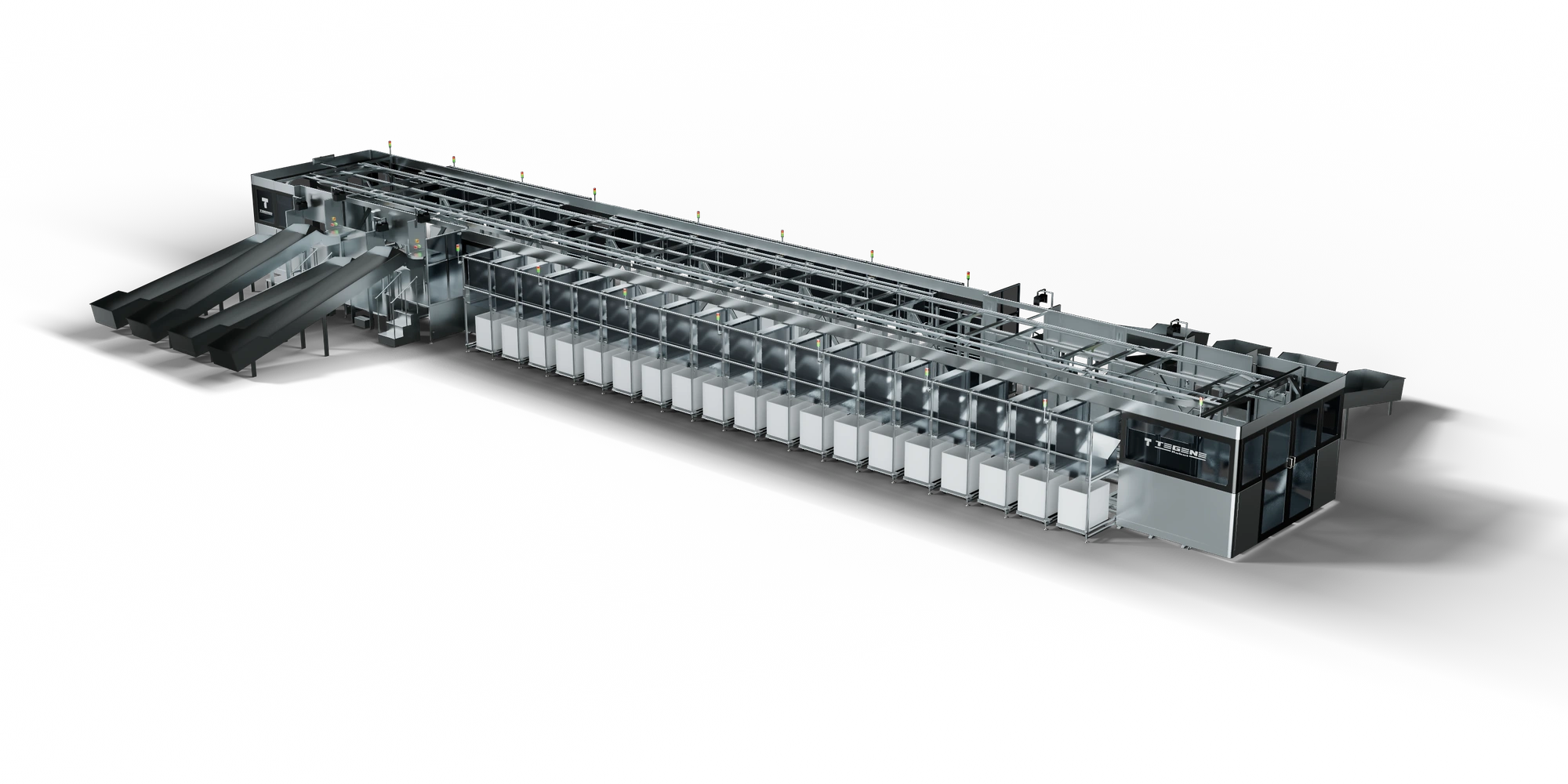
Assess project investment and operating savings using volumes, labor, maintenance and site conditions. Tegene's cross-border M project reduced staffing from 30 to 6 with payback within two years.
02
A Simple ROI Model You Can Run Yourself
Estimate payback with these steps:
- Annual labor savings = reduced sorters/temp staff × average annual labor cost.
- Annual mis-sort savings = annual mis-sort losses before automation minus estimated annual losses based on project measurements or agreed acceptance criteria.
- Annual capacity gain = revenue from extra volume handled at higher peak capacity.
- Payback (years) = total equipment investment ÷ (sum of the three annual savings above).
03
Key Variables That Drive Payback
For the same equipment, payback speed differs mainly by:
- Current labor cost and hiring pressure (higher → faster payback).
- Volume and peak intensity (sharper peaks → greater automation value).
- Mis-sort cost (high-value/fragile goods → faster payback).
- Utilization and shifts (multi-shift use amortizes faster).